Why I stop shooting with digital cameras
As you might know, I shoot with film cameras only. In this article, I’ll tell you why.
The Digital Experience
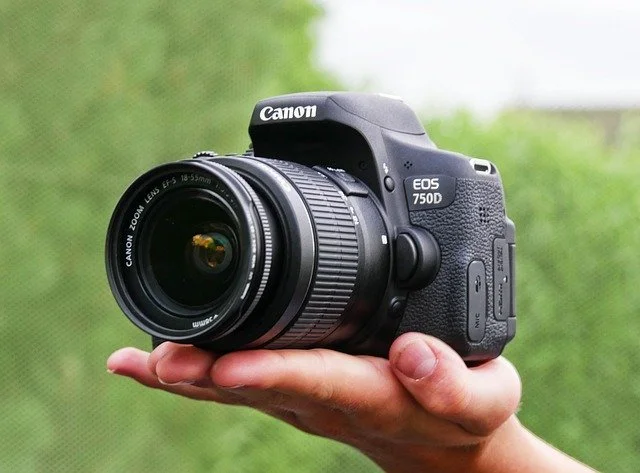
As a beginner photographer in 2017, my first purchase was a digital single-lens reflex (known as a DSLR). In a kit, I got the 50mm f/1.8 EF lens with it. THIS was a great starter to begin with.
But It wasn’t as fast as it seems — during my military service in the Air Force, I left this beauty in the closet. Years later, when I was lost and needed to try something new, I saw it standing in front of my desk, calling me to finally try it. Then the magic happened.
Learning Photography
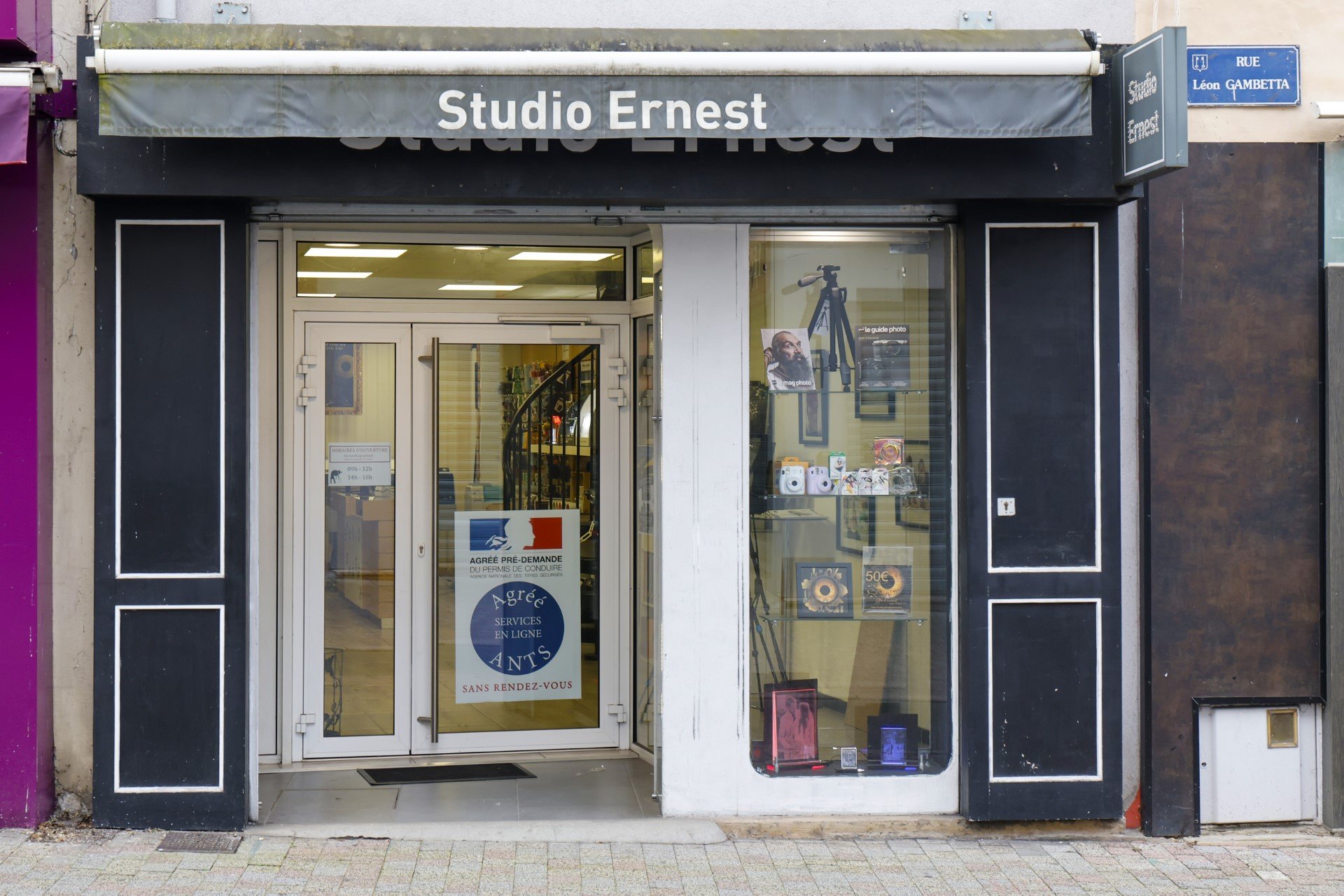
I took this camera everywhere and tried portrait, landscape, architecture, and animals, every kind of subject that you photograph when you’re beginning. After several pictures, I needed to learn the settings deeply, so I took a class in town with STUDIO ERNST.
I tried film during a fair for the first time, and that’s where I fell in love with the result and the process of shooting without an immediate render behind the screen.
In 2022, I intended to graduate and apply for a two-year French school in Arles, capital of Photography. And that’s where the story of my deadly wallet began…
GEAR(S)
The “S” is crucial, I bought a lot of cameras to try every type: from point-and-shoot, reflex, and mirrorless, to APS-C and medium-format digital cameras. It’s impossible to find the best camera for film photography or digital.
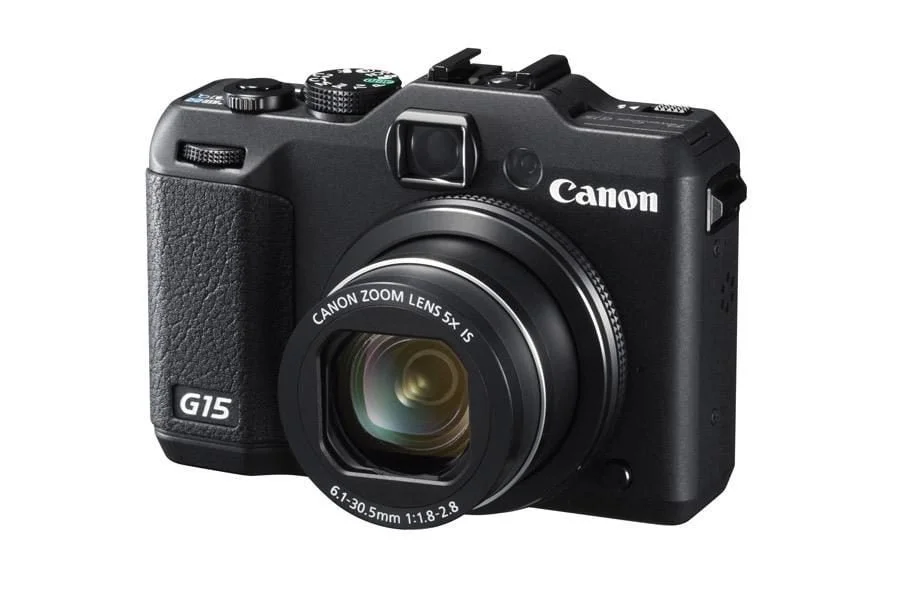
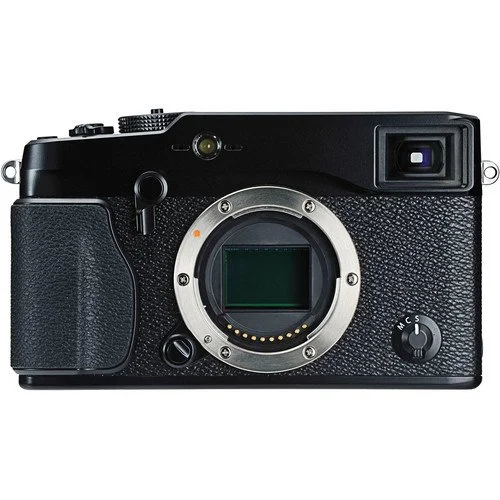
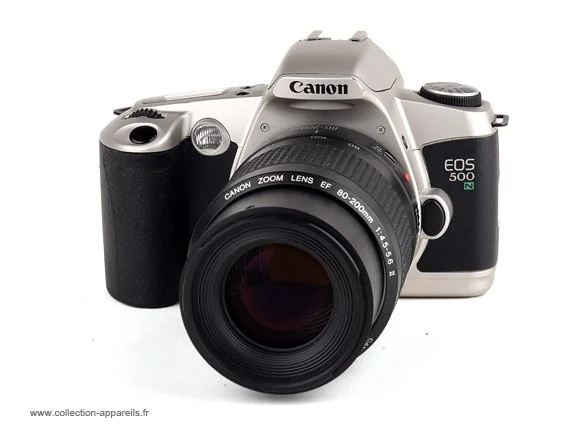
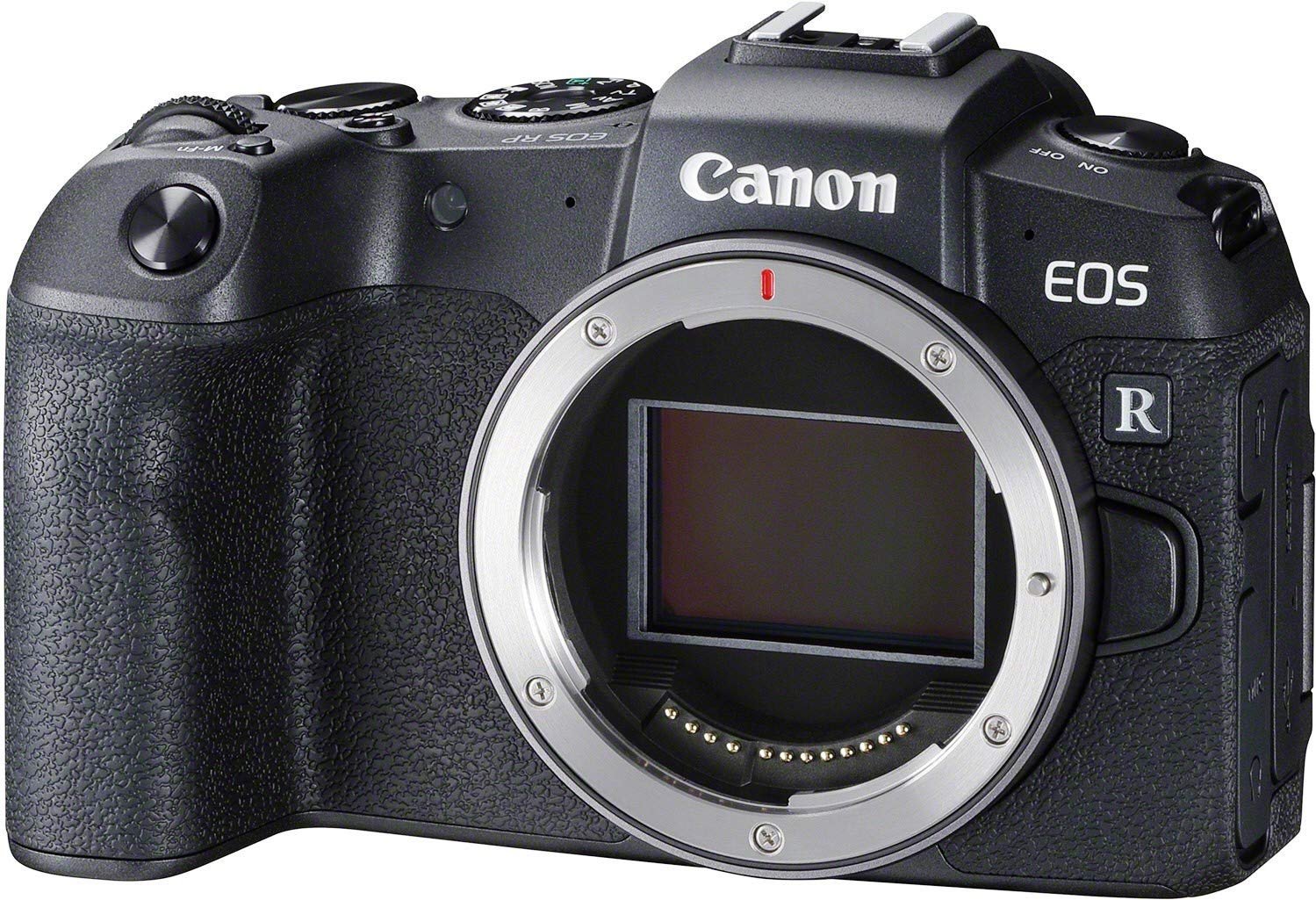
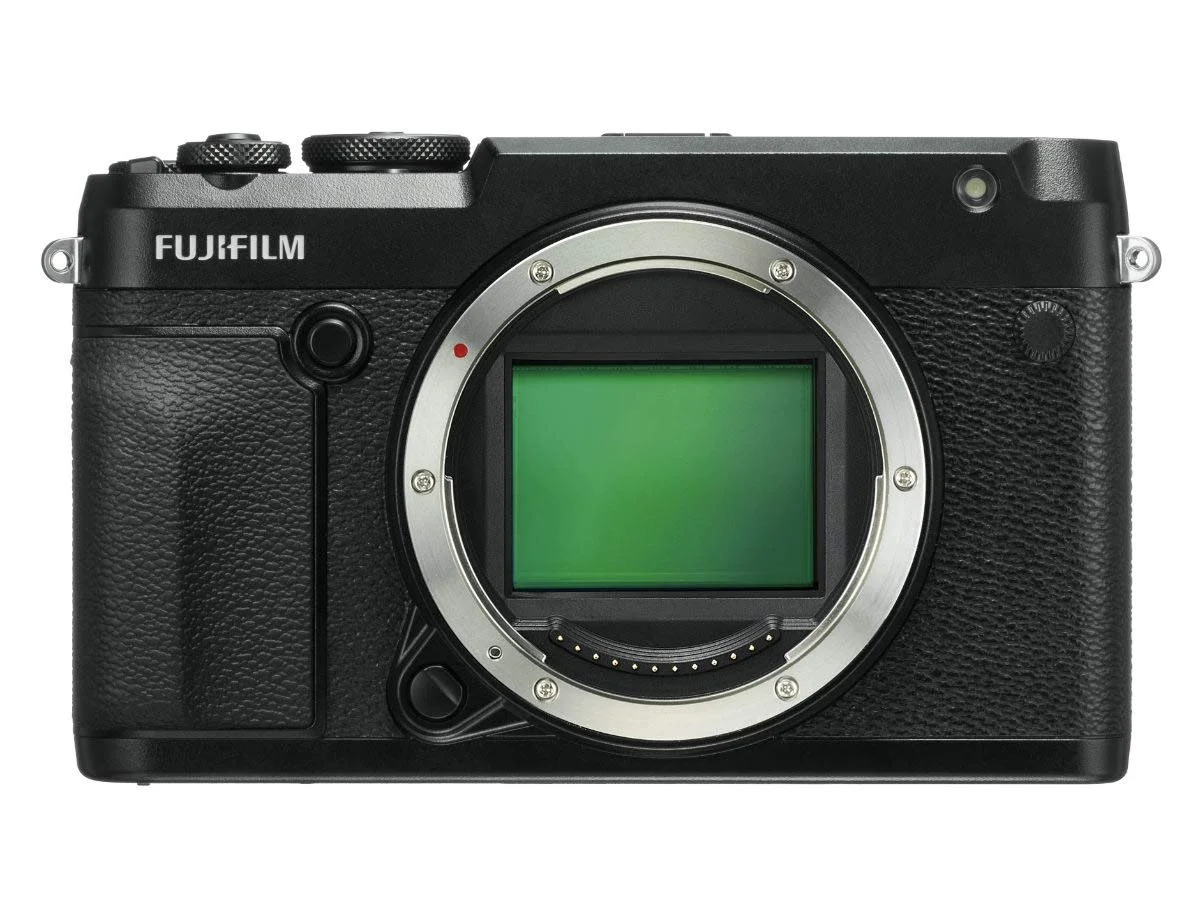
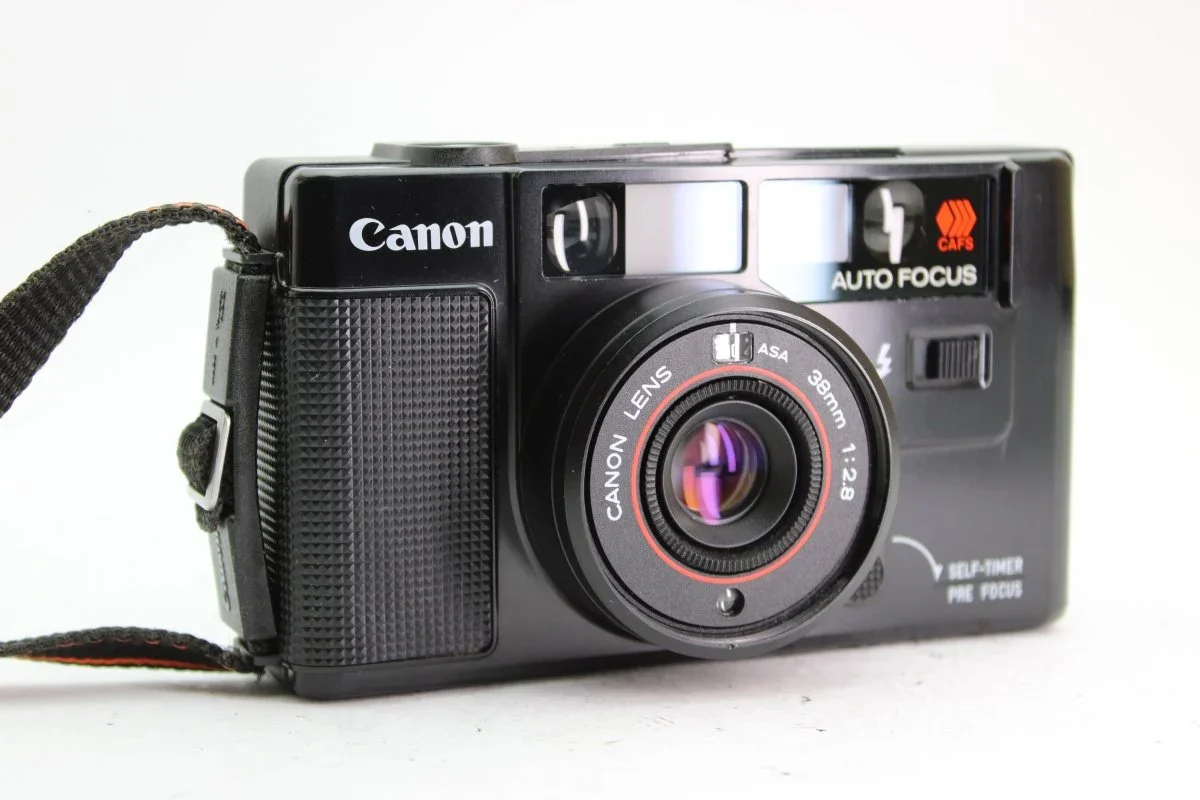
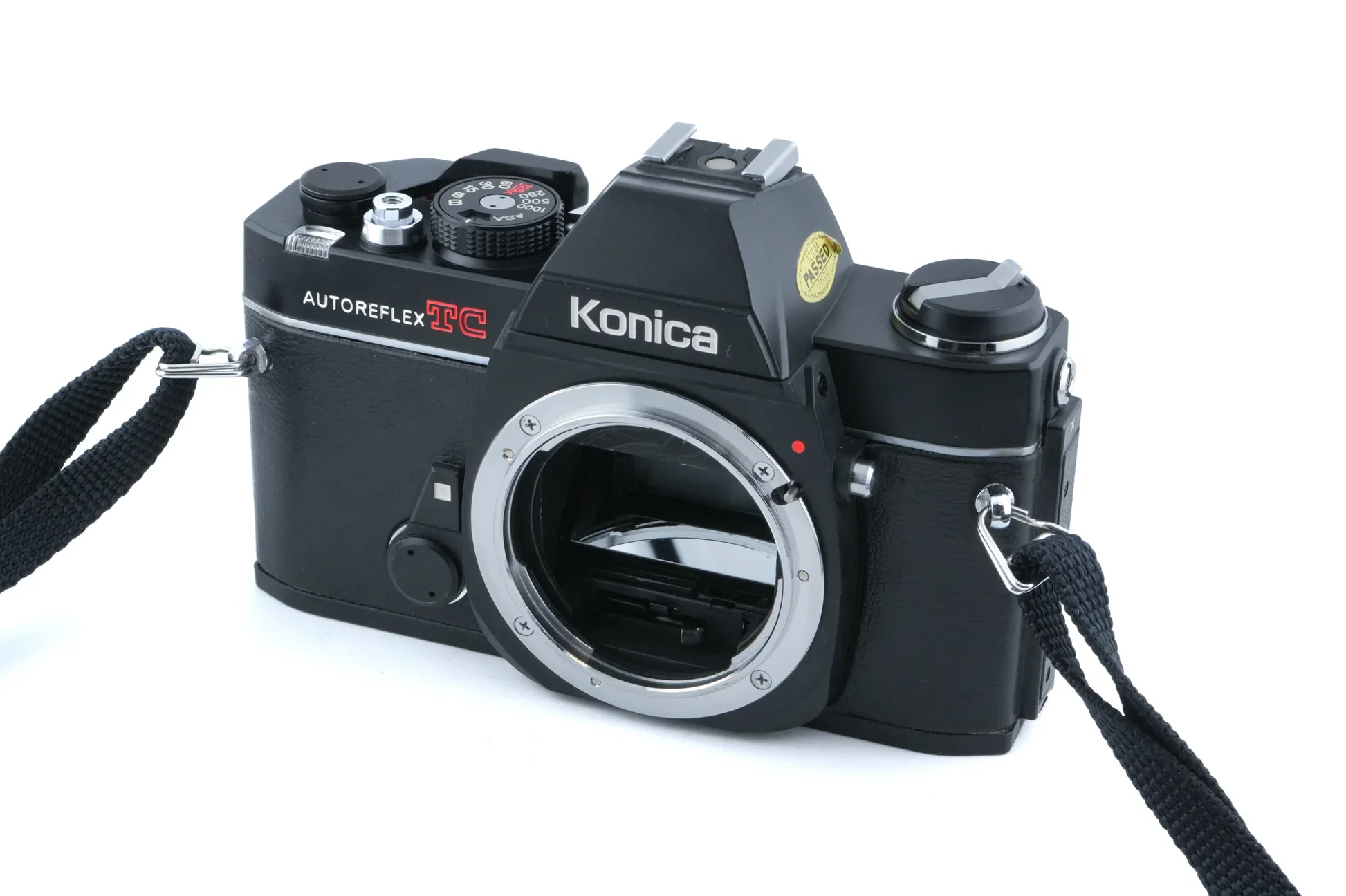
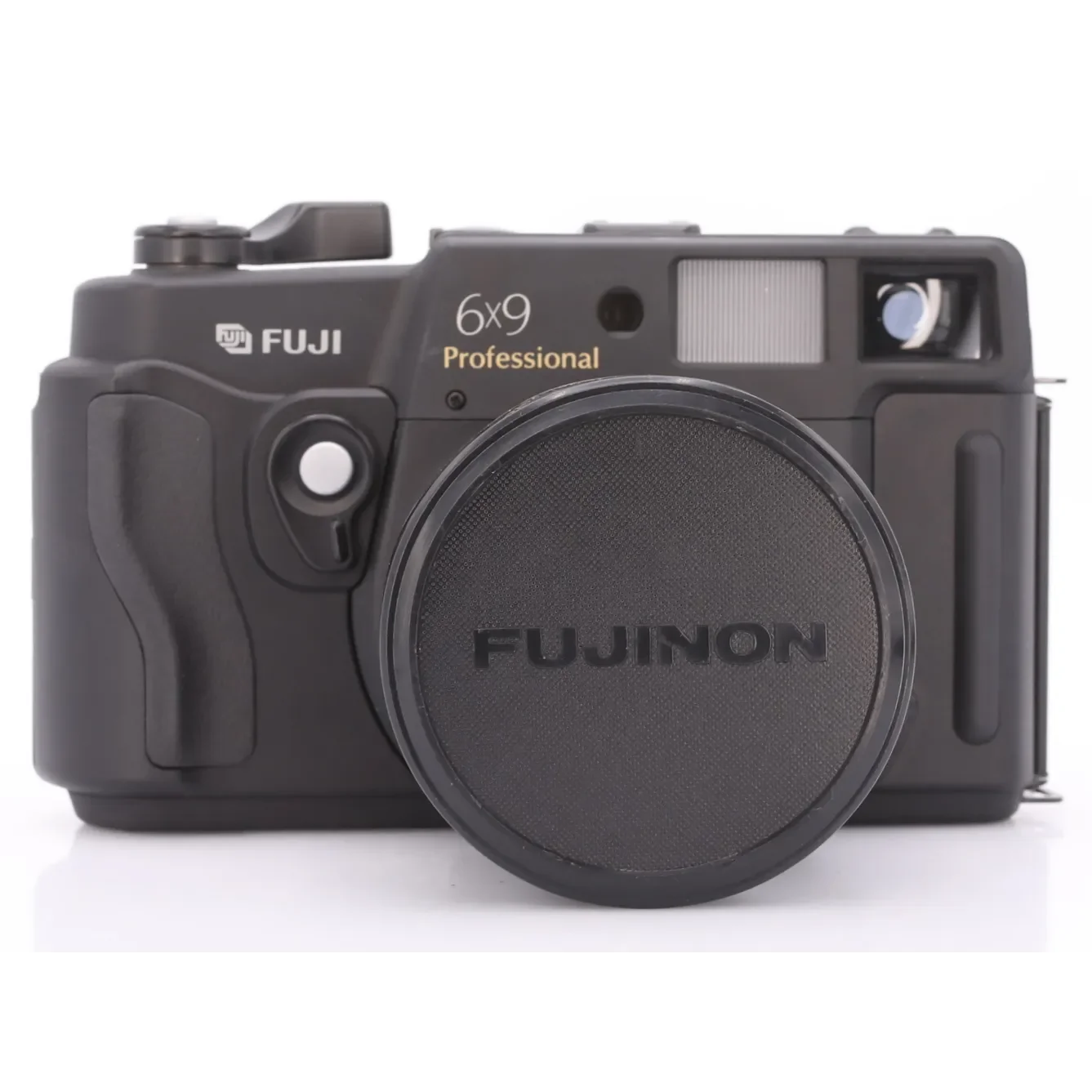
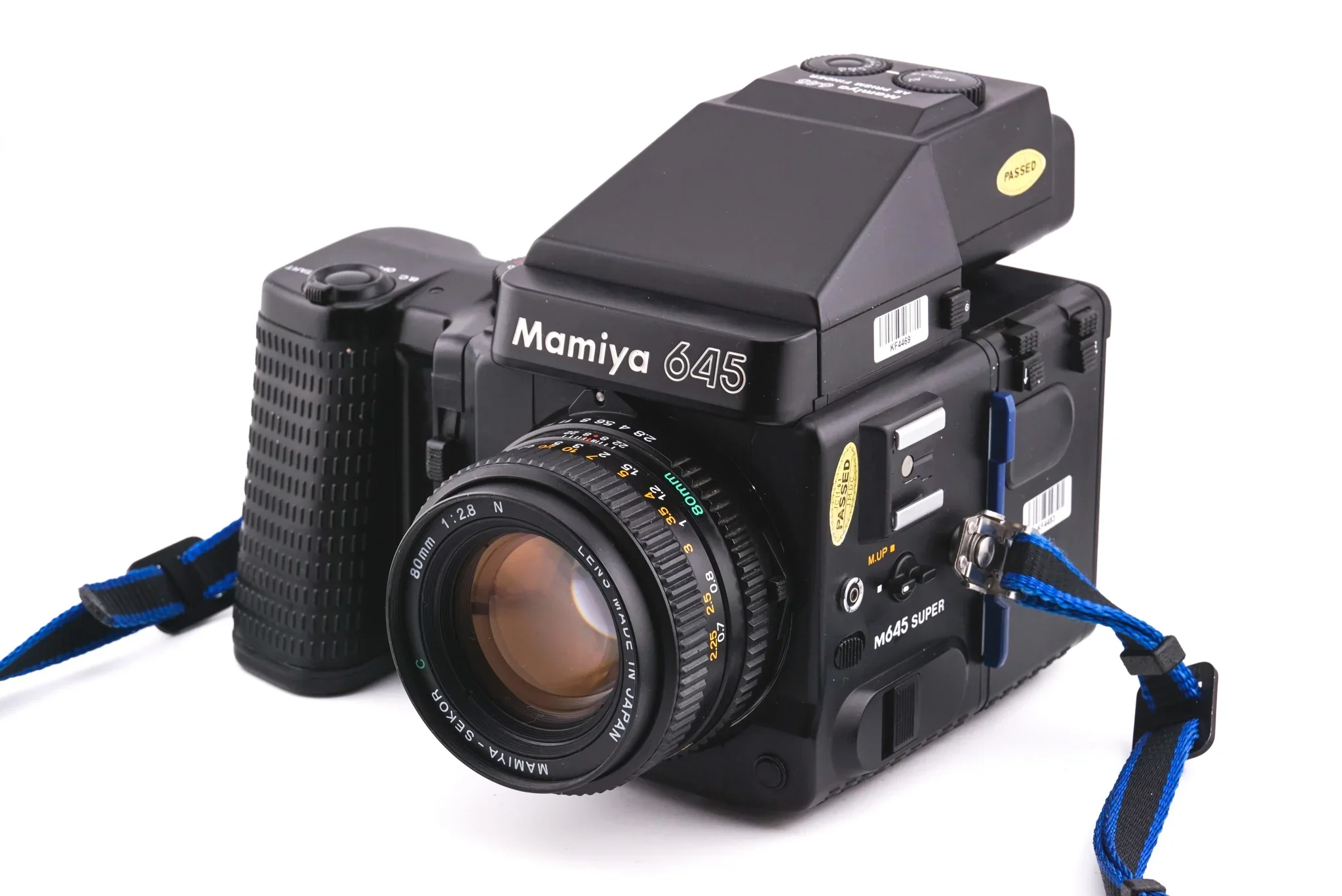
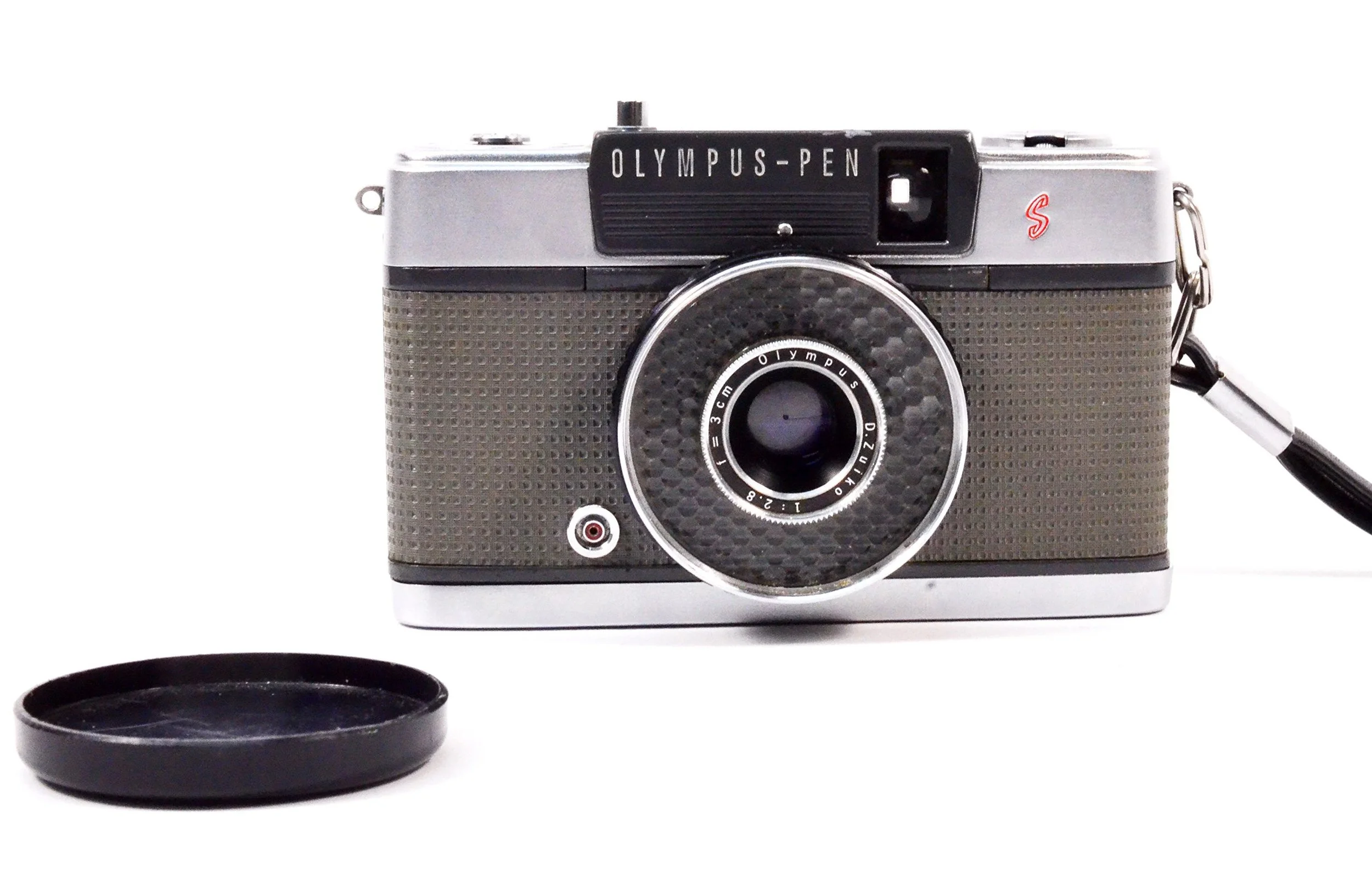
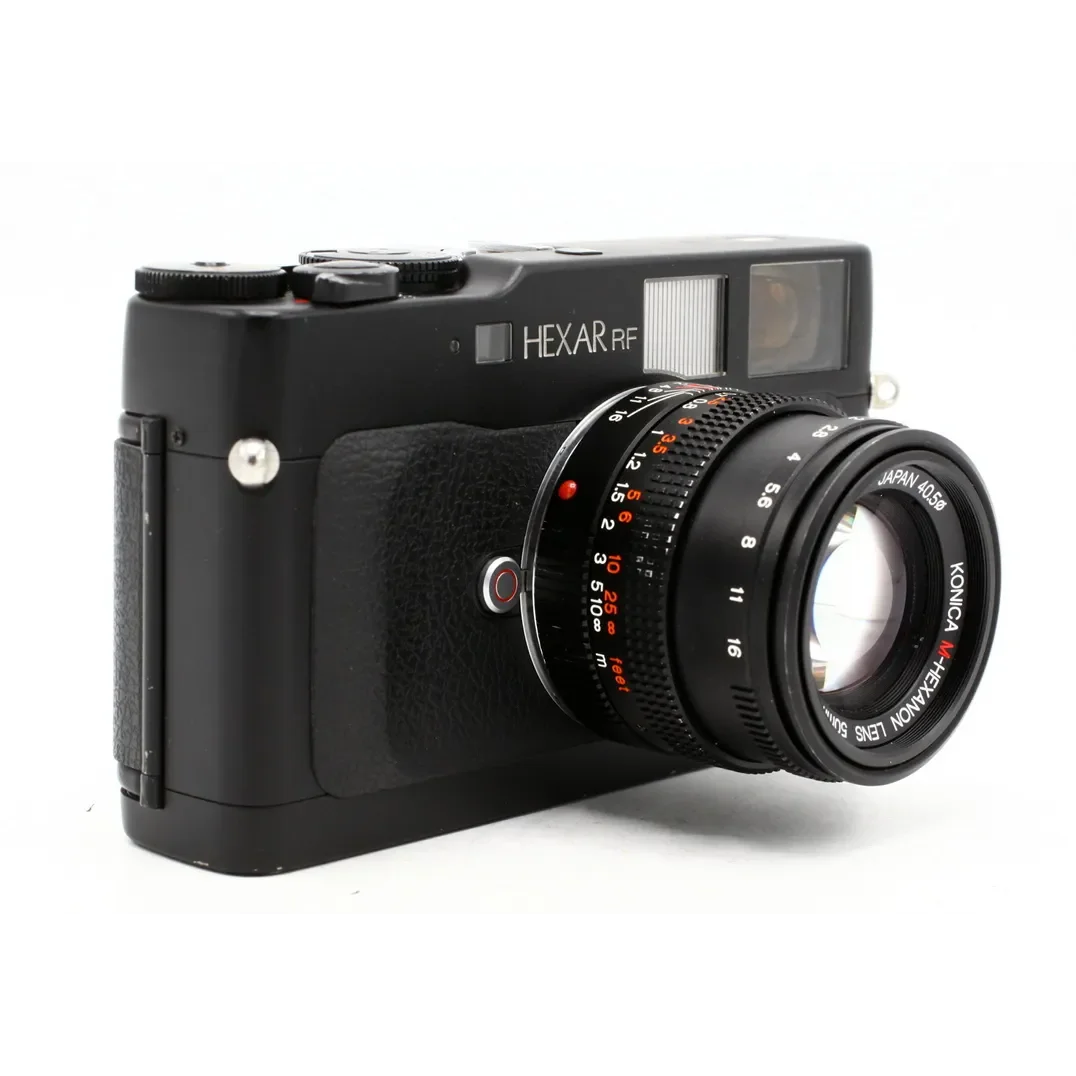
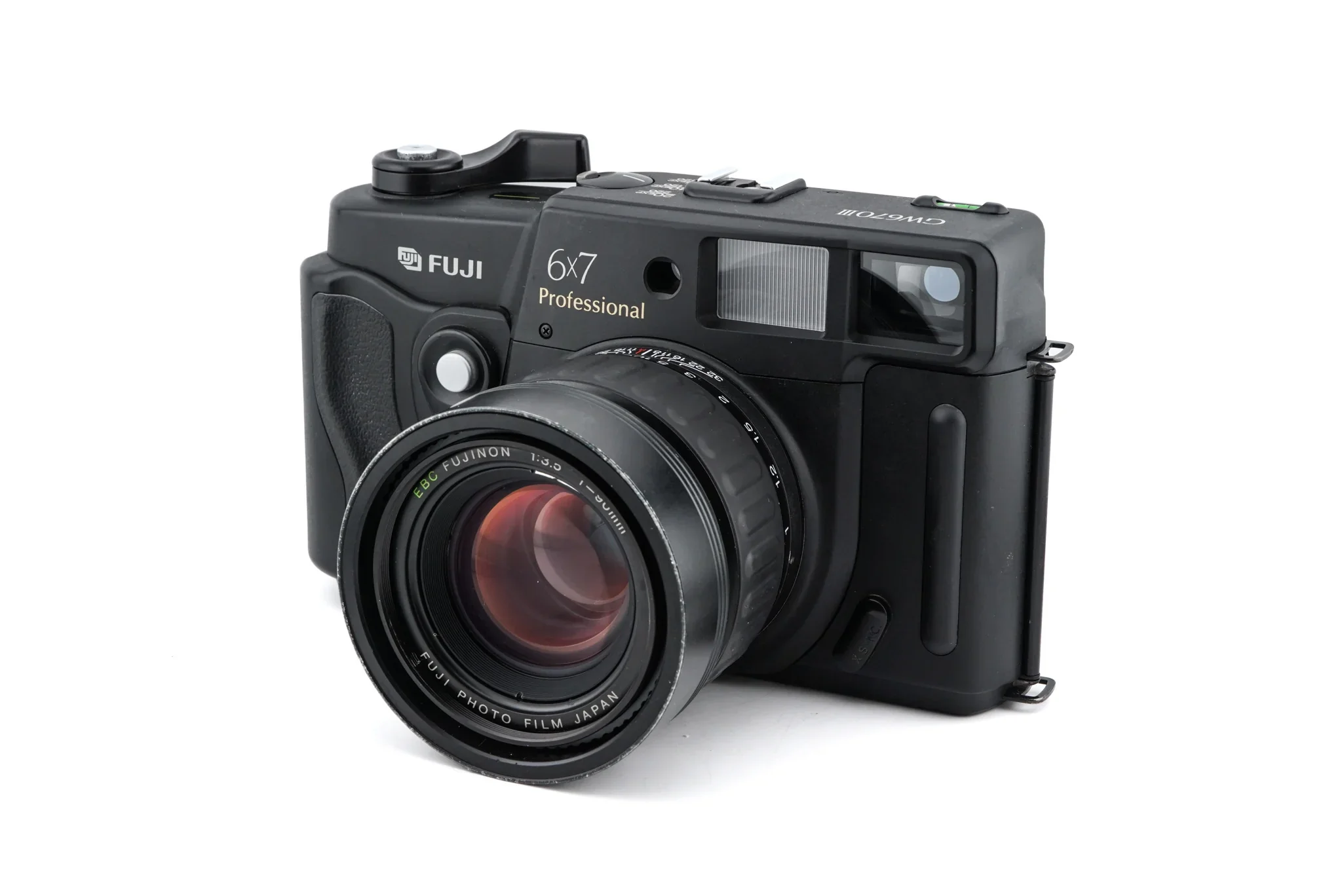
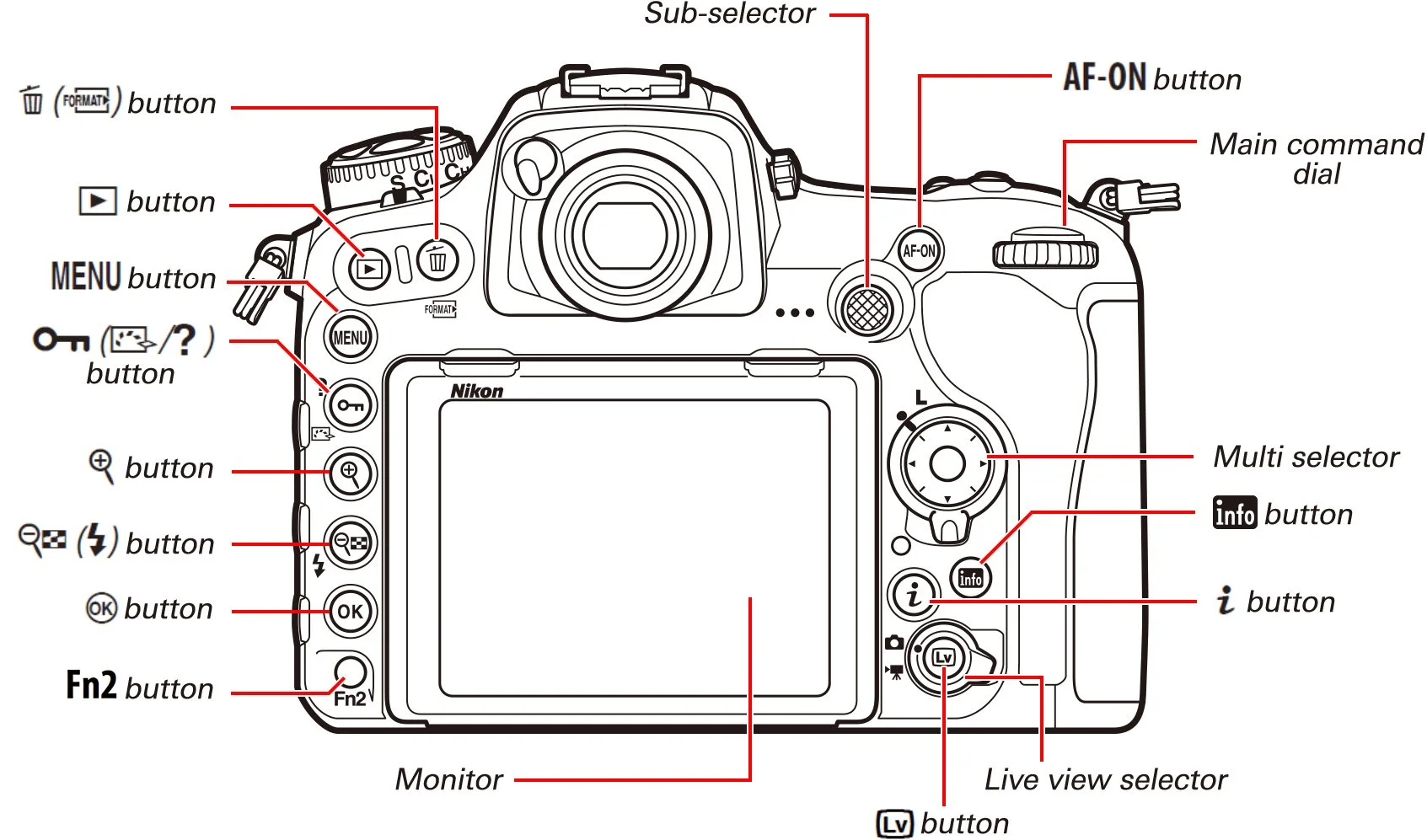
These cameras have a lot in common: you can shoot without noticing the settings, take every shot you want, and see the result immediately on the back screen. You can also plug your SD card into your laptop to export and begin post-production. That’s where digital photography lost me…
Switching to 35mm Film
Definition :
“Film photography is a method of capturing images using photographic film that reacts to light when exposed in a camera. The film is then chemically developed to produce a visible image, either as a negative or a print. It is a traditional, analog form of photography that predates digital cameras.”
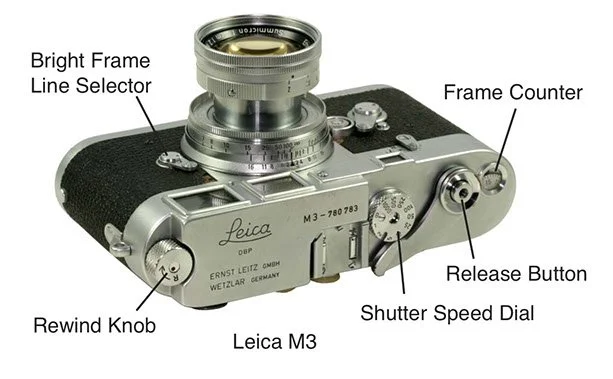
Aperture priority, manual focus, 36 images, fixed lens, and no other functions, it’s the best way to focus on your framing and your intention.
Outside, with a small camera (film cameras are usually smaller than digital cameras + lenses), I feel completely free and inconspicuous in the street. These cameras scare fewer people who see me. I can carry my tool everywhere without noticing its weight on my shoulder.
Fewer functions help me to be quicker, so I can concentrate more on the scene than on the settings I use. That’s also why I chose a semi-automatic camera, I can set my aperture to give the image the depth of field I want and let the camera do the rest in each scene.
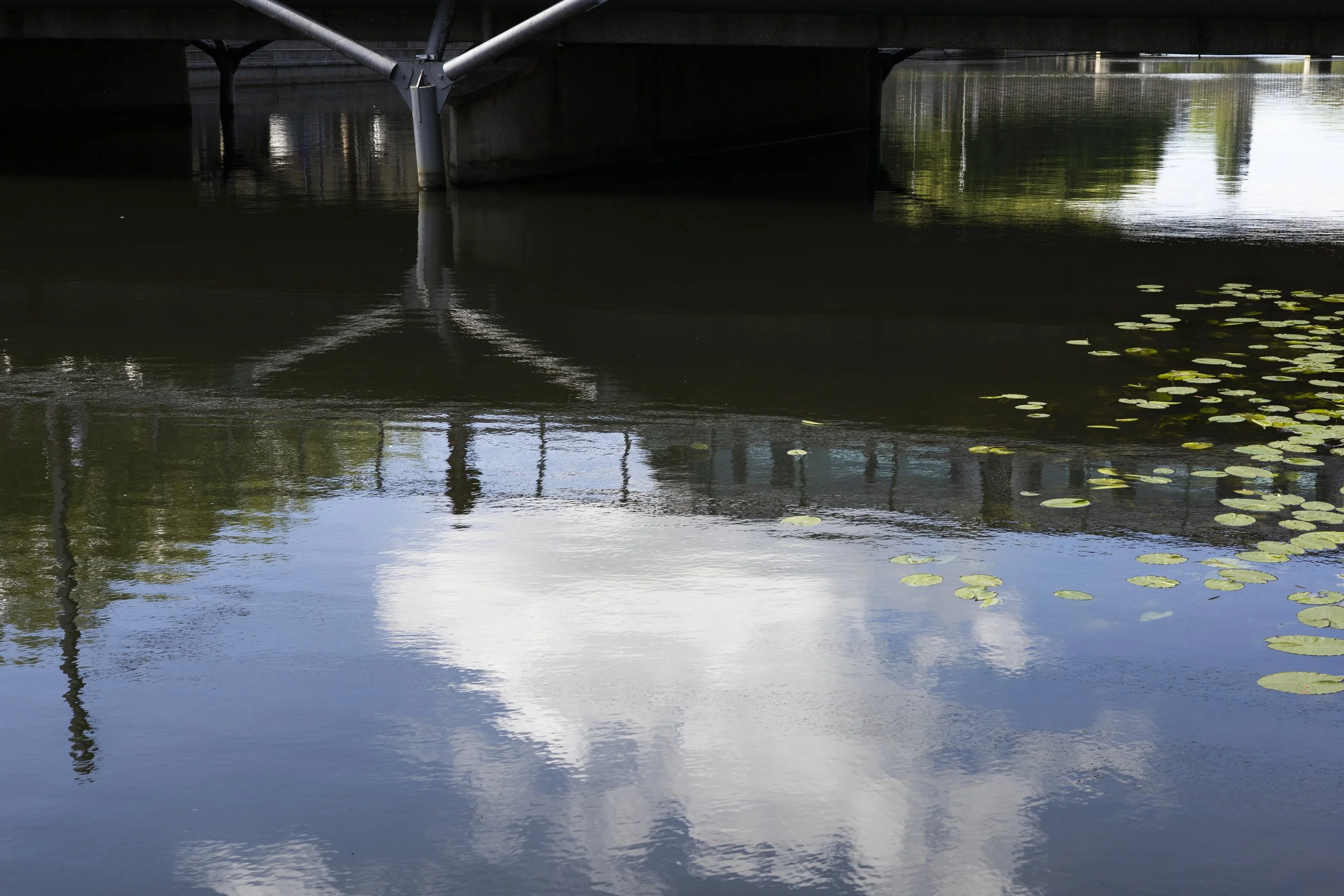
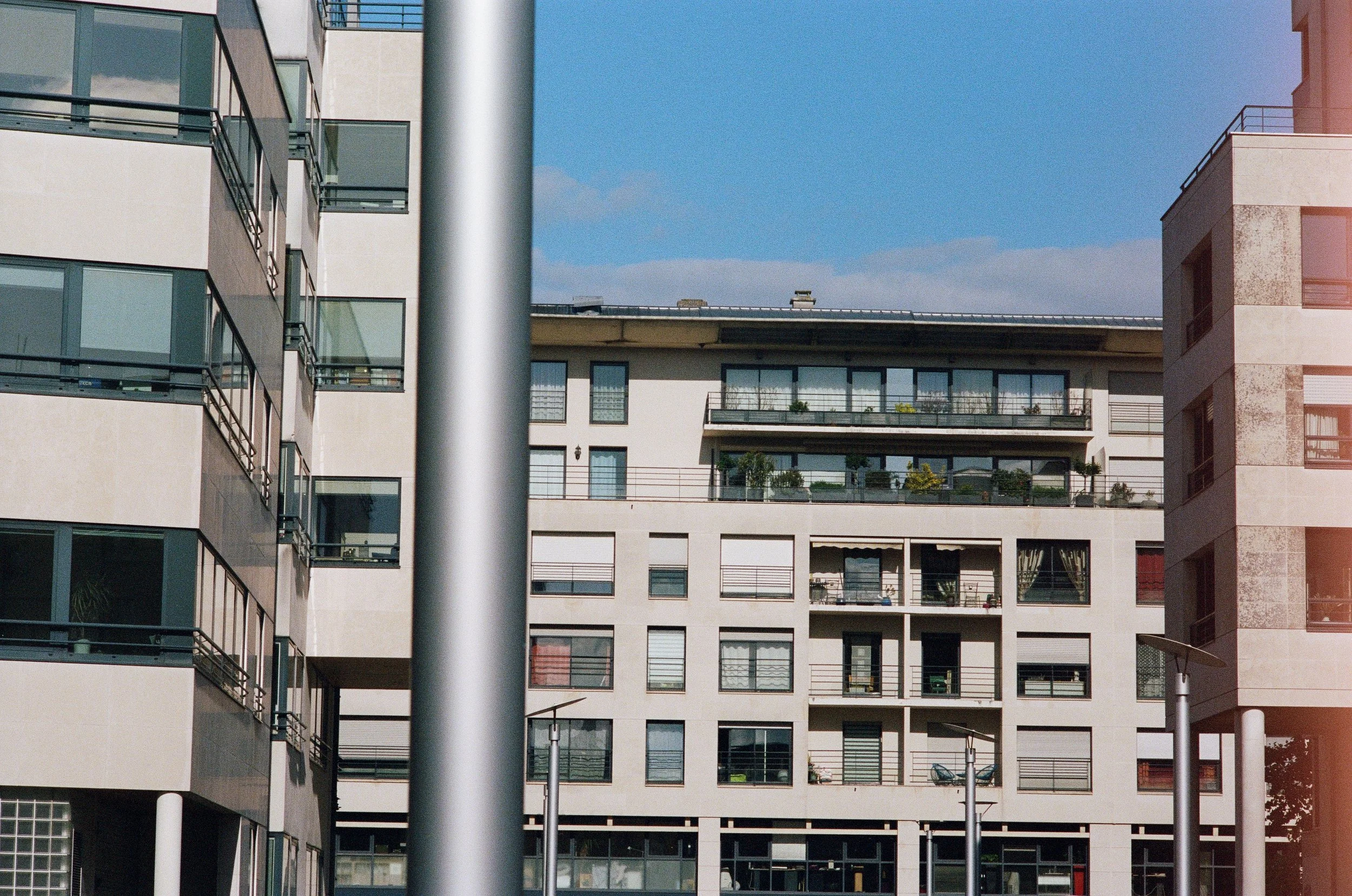
The color grade on film is a chemical miracle, as Steven Spielberg said in an interview. As you can see, when comparing the raw colors of each picture, I find something in the chemical process of film that allows you to recover the initial atmosphere of the scene.
(Disclaimer: the final image also depends on the film scanning process.)
Final thoughts
After many years of practicing film on different formats, here are some pieces of advice for beginners to avoid the mistakes I made:
For your wallet, the best option is to shoot both, save some money, but focus on the result right after the shot. Do not try to “fix it” in post.
Ask your friends to try different cameras, don’t spend all your money on one. You must try a camera before buying it. I watched all the YouTube videos to learn about a camera before buying it, and every time, it’s a completely different experience.
Don’t save money on the development process, because after all your effort, you’ll probably be disappointed with the result.
In film, I recently understood that the body of your gear is just a tool you need to be familiar with, but the real quality of your images depends on the lens.
To end this article, here is my list of essential accessories you might need for travel everywhere:
Thanks for reading, and see you soon for another article on my first digital zine about my last trip across Asia!